
Vertigo/Balance Assessment through VNG
Keep Balance in Control
सेवा का विवरण
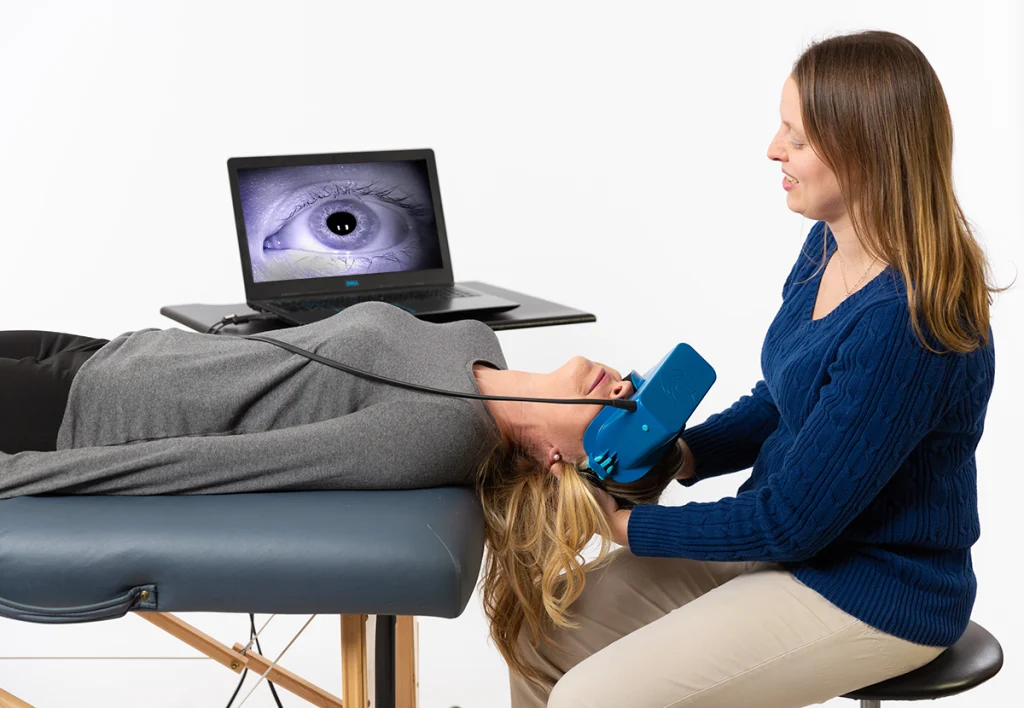
Vertigo Assessment is a specialized evaluation process designed to investigate the causes of dizziness, imbalance, and the unsettling sensation of spinning or motion when none is present. Because vertigo can arise from multiple systems—most commonly the inner ear (vestibular system), but also neurological, cardiovascular, or psychological factors—a thorough assessment is essential to pinpoint the source and guide effective treatment. Core Components of Vertigo Assessment: Detailed Case History: Gathering information about the onset, frequency, duration, and triggers of dizziness episodes, along with medical history, lifestyle factors, and associated symptoms such as nausea, hearing loss, or headaches. Clinical Examination: Observing eye movements, balance, gait, and coordination to identify patterns that suggest vestibular or neurological involvement. Audiological Tests: Hearing evaluations, including pure-tone audiometry and speech tests, to detect inner ear conditions that may contribute to vertigo. Vestibular Function Tests: Specialized procedures such as Videonystagmography (VNG), Electronystagmography (ENG), or Vestibular Evoked Myogenic Potentials (VEMP) to measure how the inner ear and brain respond to movement and sound. Positional Tests: Maneuvers like the Dix-Hallpike test, which help diagnose Benign Paroxysmal Positional Vertigo (BPPV), one of the most common causes of dizziness. Balance and Posturography Assessments: Evaluating how the body maintains equilibrium under different conditions, often using computerized equipment. Neurological Screening: Identifying signs of central nervous system involvement, such as migraine-related vertigo or other neurological disorders. The assessment is not limited to identifying a single diagnosis—it often reveals whether vertigo is multifactorial, involving both peripheral (ear-related) and central (brain-related) components. By integrating results from history, observation, and testing, clinicians can distinguish between conditions such as BPPV, Ménière’s disease, vestibular neuritis, migraine-associated vertigo, or non-vestibular causes like low blood pressure or anxiety. For patients, the process provides clarity and reassurance. Vertigo can be frightening and disruptive, affecting daily activities, work, and social life. A structured assessment helps explain why symptoms occur and outlines a pathway toward management—whether through repositioning maneuvers, vestibular rehabilitation therapy.


रद्द करने की नीति
To cancel, please contact reception at least 24 hours prior to the appointment time.
संपर्क विवरण
Ground floor, MG-1/82, Soniapur, Block MG1, Vikaspuri, New Delhi, Delhi, 110018, India
+919716088173
unicareshc@gmail.com