
Tips to Buy the Best Hearing Aid for Yourself


Choosing a hearing aid is not just about buying a device—it’s about investing in your quality of life. With so many models, features, and price ranges available today, the process can feel overwhelming. The right hearing aid should match your hearing needs, lifestyle, and comfort. Here are some practical tips to guide you:
1. Start with a Professional Hearing Test
Always consult a qualified audiologist before purchasing.
A comprehensive test will determine the degree and type of hearing loss.
This ensures you don’t waste money on unsuitable devices.

2. Understand the Types of Hearing Aids
Behind-the-Ear (BTE): Durable, suitable for all ages, easy to handle.
In-the-Ear (ITE): Discreet, custom-fit, but may be less powerful.
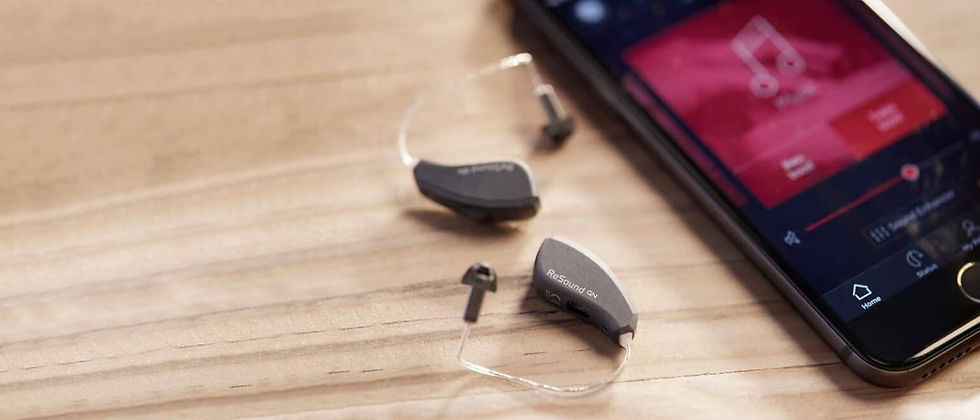
Receiver-in-Canal (RIC): Slim design, natural sound quality.
Completely-in-Canal (CIC): Nearly invisible, but limited battery life.

3. Match Features to Your Lifestyle
Modern hearing aids come with advanced technology:
Rechargeable batteries – no need to change cells frequently.
Bluetooth connectivity – stream calls and music directly.
AI-based noise reduction – clearer conversations in noisy places.
App controls – adjust settings easily from your phone.
4. Consider Comfort and Aesthetics
Think about how visible you want the device to be.
Comfort is crucial—poor fit can discourage regular use.
Try different styles before finalizing.

5. Compare Prices and After-Care
Prices vary widely depending on brand and features.
Don’t just look at the device cost—factor in service, warranty, and follow-up care.
Reliable after-care ensures adjustments and long-term satisfaction.
6. Avoid Common Pitfalls
Don’t buy hearing aids online without professional fitting.
Beware of outdated models sold at high prices.
Always check trial periods and return policies.
Final Thoughts
The “best” hearing aid is not the most expensive one—it’s the one that fits your hearing needs, lifestyle, and budget. With professional guidance, careful comparison, and attention to after-care, you can make a confident choice that improves your daily life.


Comments