
🎧 Receiver-in-the-Canal (RIC) Hearing Aids: Versatility with Comfort

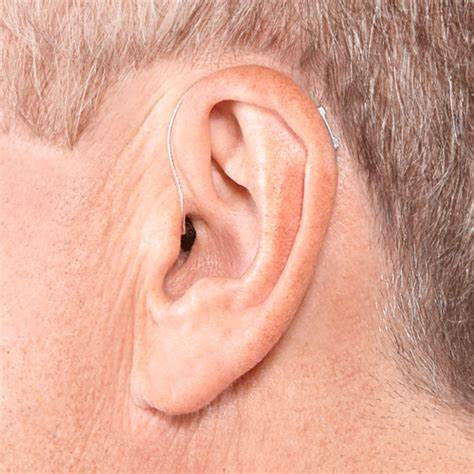
Among modern hearing aid styles, Receiver-in-the-Canal (RIC) devices have become one of the most popular options. They combine comfort, advanced technology, and adaptability, making them suitable for a wide range of hearing needs.
👂 Who Can Benefit?
RIC hearing aids are versatile and can benefit:
Mild to severe hearing loss, depending on the receiver power chosen.
Patients of all ages, thanks to their comfortable fit and adaptability.
Individuals with varied ear canal shapes, since the receiver sits inside the canal while the main body rests behind the ear.
Patients seeking advanced features like Bluetooth connectivity, rechargeability, and remote programming.
🛠️ The Role of the Audiologist
Choosing the right RIC model requires professional expertise:
Assessment of Hearing Loss – Audiologists determine the degree and type of hearing loss to select the appropriate receiver strength.
Safe and Precise Fitting – The receiver and dome/mold must be fitted correctly to ensure comfort and sound clarity.
Configuration Guidance – Audiologists recommend models with features suited to the patient’s lifestyle (e.g., Bluetooth for tech-savvy users, rechargeability for convenience).
Counseling & Training – Patients are guided on wearing, cleaning, and maintaining the device.
⚠️ Precautions for Patients
Always consult a qualified audiologist for fitting and programming.
Keep devices clean and dry to prevent wax or moisture damage.
Handle with care when wearing spectacles, as overlap may cause discomfort.
Report any irritation or feedback issues promptly.
✅ Advantages of RIC Hearing Aids
RIC devices offer several benefits compared to smaller custom styles:
Better Battery Life – Larger size allows for longer-lasting batteries or rechargeable options.
Comparatively Comfortable – Lightweight design makes them easy to wear.
Lesser Chances of Occlusion Effect – Since the canal remains more open, patients experience less “echo” of their own voice.
Suitable for Any Canal Type – Works well across different ear anatomies.
Advanced Features – Available with Bluetooth connectivity, rechargeability, and remote programming.
Easy to Wear – Simple to insert and remove, even for elderly patients.
❌ Disadvantages of RIC Hearing Aids
Despite their versatility, RICs have some drawbacks:
More Visible – The behind-the-ear portion is noticeable compared to CIC or IIC models.
May Interfere with Thick Spectacles – The behind-the-ear design can overlap with glasses.
Sweat Sensitivity – Patients with high perspiration may find them uncomfortable or prone to moisture damage.
💰 Technology & Cost Considerations
RIC hearing aids are priced based on:
Receiver strength (standard, power, or super power).
Advanced features like Bluetooth streaming, rechargeability, and AI-based sound processing.
Brand and warranty packages.
Customization of domes or earmolds for comfort and performance.
🧠 Key Takeaway
Receiver-in-the-Canal hearing aids are a flexible, comfortable, and technologically advanced solution for patients across a wide range of hearing loss levels. While they are more visible than custom in-canal devices, their ease of use, better battery life, and advanced connectivity make them a preferred choice for many.
At Unicare Speech & Hearing Clinic, Vikaspuri, our audiologists provide personalized guidance, safe fittings, and expert recommendations—ensuring every patient gets the right RIC model for their lifestyle and hearing needs.


Comments